
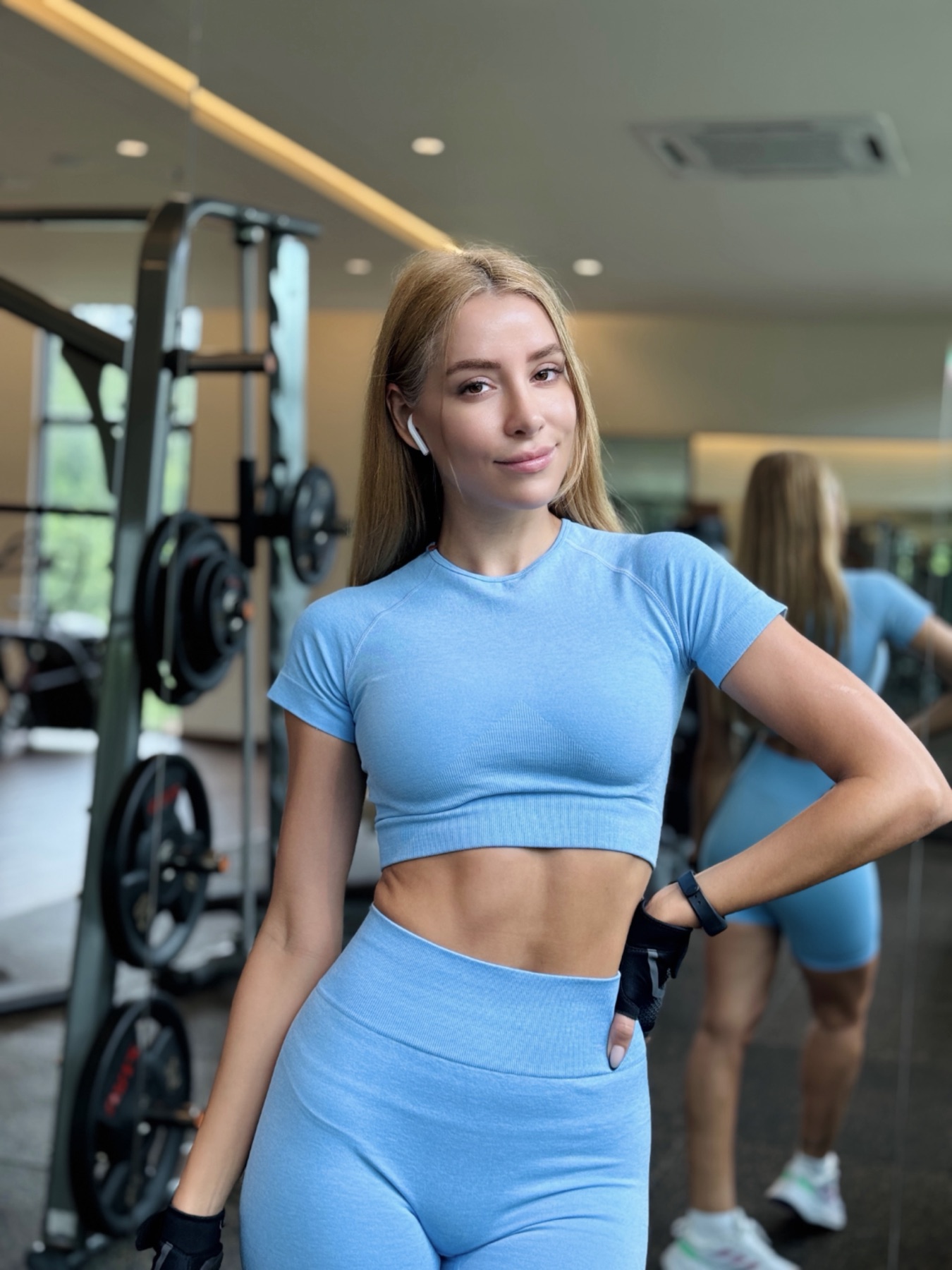
Building a strong, well-defined chest is a common goal for many gym-goers. Bench presses and push-ups are useful, but they are not the only tools worth using. Cable chest exercises can help create more balanced and complete development.
Cables provide constant tension from the first stretch to the final contraction. This consistent resistance can stimulate muscle growth in a way that free weights sometimes miss, especially when you want control, isolation and a strong mind-muscle connection.
Understanding Your Chest Anatomy
The chest is primarily made up of the pectoralis major and pectoralis minor. To build a rounded chest, your training should include movements that target the upper, middle and lower chest from different angles.
Why Choose Cable Chest Exercises?
Upper Cable Chest Exercises
1. Low-to-High Cable Fly
Set both pulleys to the lowest position, hold D-handles and stand in the center with a staggered stance. Pull the handles upward and inward until they meet around upper-chest or chin level, then control the return.
This movement targets the upper chest and creates constant tension through the full arc.
2. Single-Arm Low-to-High Cable Fly
Use one pulley at the lowest position. Stand sideways to the machine and pull the handle up and across your body toward the opposite shoulder. Working one side at a time can improve range of motion and focus.
Middle Cable Chest Exercises
3. Standing Cable Fly
Set the pulleys to shoulder height, step forward and keep a slight bend in the elbows. Bring the handles together in front of your mid-chest as if hugging a large tree, then return slowly.
4. Seated Cable Chest Press
Place a bench between the cable towers, set pulleys around mid-chest height and press the handles forward. This creates a press pattern with more freedom and steady cable resistance.
5. Cable Crossover
Set the pulleys high, step forward and bring the handles down and across the body. Let one hand cross slightly over the other at the end range, alternating which hand crosses on top.
Lower Cable Chest Exercises
6. High-to-Low Cable Fly
Set the pulleys to the highest position. Pull the handles downward and inward until they meet near the lower abdomen, squeezing the lower chest at the end of the motion.
7. Decline Cable Chest Press
Use a decline bench with low pulleys. Press the handles upward and together along the natural path of a decline press, then lower with control.
Compound Cable Chest Exercises
8. Cable Bench Press
Set the pulleys low, lie on a flat bench and press the handles up like a dumbbell bench press. The cables add constant tension and extra stabilization demand.
9. Lying Cable Fly
Lie on a flat, incline or decline bench between low pulleys. Lower the handles out wide until you feel a chest stretch, then bring them back together using your chest.
10. Cable-Resisted Push-Up
This advanced variation uses low pulleys and D-handles while performing a push-up. It requires strong core control and shoulder stability, so build up to it gradually.
Build Your Cable Chest Workout
You do not need all ten exercises in one session. Choose a few that cover upper, middle and lower chest, then focus on control and quality reps.
Common Mistakes to Avoid
Want a Structured Strength Plan?
If you want clear guidance on what to train, how to progress and how to stay consistent, fitness coaching can take the guesswork out of your routine.
Explore Fitness TrainingCable Chest Exercise Questions
What are the benefits of cable chest exercises?
They provide constant tension, improve control and allow you to target the chest from different angles.
Can beginners perform cable chest exercises?
Yes. Cable machines are beginner-friendly because resistance is easy to adjust and movements can be controlled.
How often should I do cable chest exercises?
One to two times per week can work well, depending on your overall workout split and recovery.
Do cable exercises target all parts of the chest?
Yes. Adjusting pulley height and exercise angle can target upper, middle and lower chest fibers.
What are practical cable chest exercises?
Low-to-high flys, standing cable flys, high-to-low flys, cable chest presses and cable crossovers are all strong options.