
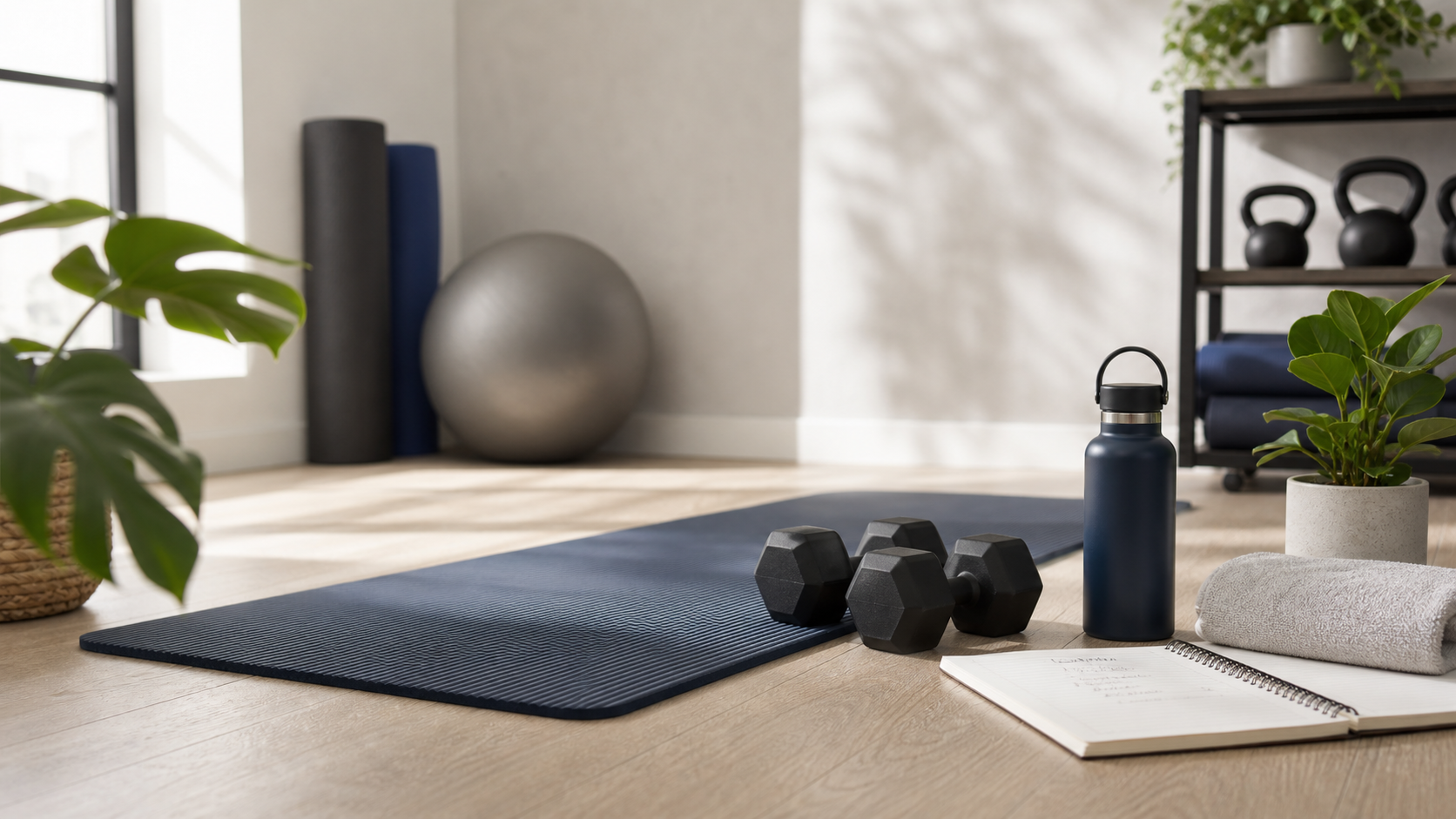
If you are just starting your fitness journey, the amount of advice online can feel like a lot. Workout videos, diet trends, transformations and conflicting recommendations can make the first step feel harder than it needs to be.
The good news is that you do not need to drown in complexity. Fitness becomes much easier when you focus on realistic habits, safe movement, simple nutrition, recovery and consistency. These seven tips are designed to help you start with confidence and avoid the common traps that cause beginners to quit too early.
Do Not Start Too Hard
Many beginners start with intense daily workouts because they want fast results. The motivation is understandable, but this approach often leads to exhaustion, soreness, frustration and burnout.
A better approach is to begin with 20 to 30 minutes, three to four times per week. This gives your body time to adapt while helping you build confidence and consistency.
Beginner routine example
- Warm up for 5 minutes with marching, arm circles and leg swings.
- Complete 3 rounds of 10 bodyweight squats, 8 knee push-ups, a 20-second plank and 10 walking lunges per leg.
- Cool down with deep breathing and gentle stretches.
Think of your first month as a foundation phase. If you miss a day, simply resume. The goal is not perfection; the goal is building a routine you can repeat.
Focus on Form, Not Speed
Fast reps may look impressive online, but beginners should focus on controlled movement. Good form protects your joints, helps you feel the right muscles working and makes every workout more effective.
For example, when you squat, keep your chest lifted, send your hips back, keep your knees tracking over your toes and move slowly. Controlled movement builds body awareness and reduces injury risk.
Form checklist
- Move slowly enough to control the exercise.
- Keep your core engaged and your posture steady.
- Use a mirror or record yourself to check alignment.
- Choose easier versions until the movement feels stable.
You Do Not Need a Gym
A gym can be helpful, but it is not required. Bodyweight training at home can be highly effective for beginners, especially when your goal is to build consistency, confidence and basic strength.
You can start with squats, push-ups, lunges, glute bridges, mountain climbers and planks. A simple 30-minute circuit at home, three times per week, is enough to begin building momentum.
The best workout is the one you can actually do. Home, hotel room, park or studio all work when the plan is realistic.
Do Not Compare Yourself to Others
Social media makes comparison easy. You may see someone else's transformation and feel behind before you even start. But their day 500 is not your day one.
Your fitness journey depends on your body, schedule, stress, sleep, history and goals. Focus on your own progress: more energy, better form, improved strength, better sleep and more confidence.
Nutrition Is Part of Fitness
Exercise matters, but food supports your energy, recovery, strength and body composition. You do not need an extreme diet to get fit. You need simple, sustainable habits.
Start with the basics: drink enough water, eat regular meals, include protein, add fruits and vegetables, and build balanced plates. A useful plate guide is half vegetables or fruit, one quarter protein, one quarter whole carbohydrates and a small portion of healthy fats.
Simple day of eating
- Breakfast: Greek yogurt with berries, oats and almonds.
- Snack: Apple with a handful of nuts.
- Lunch: Grilled chicken or tofu salad with quinoa and olive oil.
- Dinner: Salmon, tofu or eggs with sweet potato and broccoli.
If you want more structure, the TINKAFIT 30-Day Clean Eating Plan is designed to make healthy meals feel realistic, not restrictive.
Rest Is Not Being Lazy
Rest is where your body repairs, adapts and becomes stronger. Without recovery, progress slows down and the risk of injury increases.
For beginners, rest days are especially important. A good starting rhythm is strength training on Monday, Wednesday and Friday, with walking, stretching or light movement on the other days.
Just Start and Stay Consistent
You do not need the perfect program, the perfect time or perfect motivation. You need a small action you can repeat.
Start with five to ten minutes if that is what feels manageable. Stack the habit onto something you already do, such as stretching after coffee or taking a short walk after lunch. Small steps compound when you repeat them.
Your strongest self is built through steady action. Start gently, master form, train where you are, fuel simply, rest boldly, stop comparing and keep showing up.
Need a Simple Nutrition Start?
The 30-Day Clean Eating Plan helps you build realistic meals, grocery habits and portion confidence without extremes.
Explore the Clean Eating PlanBeginner Fitness Questions
How many days a week should a beginner work out?
Most beginners should start with 2 to 4 workouts per week. This allows your body time to recover while building consistency. The goal is to create a routine you can maintain long term.
Is it normal to feel sore after starting workouts?
Yes, mild soreness is normal when you begin exercising or try new movements. Extreme soreness that lasts many days may be a sign that you are doing too much too soon.
How long does it take to see fitness results?
Many beginners notice improvements in energy, mood and strength within a few weeks. Visible physical changes usually take 8 to 12 weeks of consistent effort.
Do beginners need to follow a strict diet?
No. Balanced meals, enough water and enough protein are usually better starting points than extreme diets. Sustainable habits matter more than perfection.
What should I do if I miss a workout?
Missing a workout is normal. One missed session does not ruin your progress. Continue with your next planned workout instead of quitting altogether.
How can beginners stay motivated when progress feels slow?
Focus on routines and small wins rather than motivation alone. Track improvements in strength, endurance, energy, sleep and confidence.