
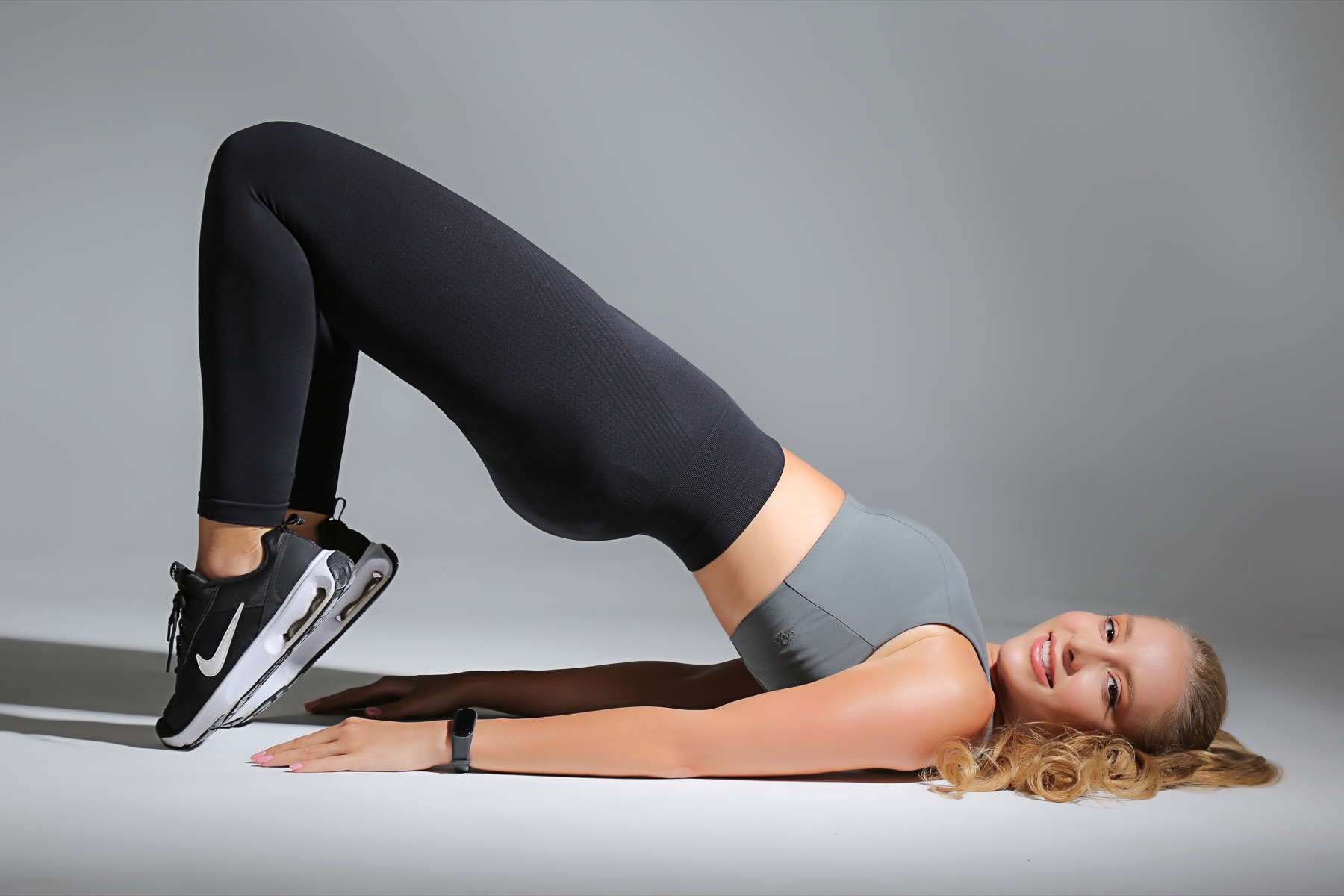
When people talk about building strong glutes, they often focus on the gluteus maximus, the largest muscle in the buttocks. While that muscle matters, neglecting the upper glutes can leave your training feeling incomplete.
The upper glutes, especially the gluteus medius, are important for hip stability, athletic performance and the lifted, rounded shape many people want from glute training.
What Is an Upper Glutes Workout?
An upper glutes workout includes exercises designed to target the upper portion of the gluteal muscles, especially the gluteus medius and upper fibers of the gluteus maximus.
These workouts emphasize hip extension, abduction and external rotation. When programmed well, they support both performance and physique goals.
Why Upper Glute Workouts Matter
Strong upper glutes help stabilize the pelvis, support posture and improve lower-body alignment. They are especially important in running, jumping, climbing and single-leg movements.
Training this area can also help reduce strain on the lower back and knees by improving hip control and lower-body support.
Benefits of Upper Glute Workouts
Top 10 Upper Glute Exercises
1. Side-Lying Hip Abduction
Lie on one side with your legs stacked. Keep your hips stable and lift the top leg toward the ceiling without rolling backward. Lower with control and complete all reps before switching sides.
Add a resistance band around the ankles to increase difficulty.
2. Standing Hip Abduction
Stand tall, shift your weight to one leg and lift the opposite leg out to the side. Keep your torso upright and avoid leaning.
3. Clamshell Exercise
Lie on your side with knees bent and feet stacked. Keeping the feet together, lift the top knee like a clam opening. The movement should come from the glutes, not the lower back.
4. Fire Hydrant Exercise
Start on all fours and lift one bent knee out to the side while keeping the pelvis square. This targets the outer glutes and supports hip mobility.
5. Glute Bridges With Hip Abduction
Perform a glute bridge with a resistance band around the thighs. At the top, press the knees outward, bring them back to neutral, then lower the hips.
6. Curtsy Lunges
Step one leg back and behind the other, lower into a curtsy position and push through the front heel to stand. Keep your chest lifted and core engaged.
7. Single-Leg Deadlifts
Hinge from the hip while standing on one leg, extending the opposite leg behind you. This improves balance, hamstring flexibility and glute strength.
8. Cable Hip Abduction
Attach an ankle cuff to a low cable pulley and lift the working leg out to the side against resistance. Control both the lift and return.
9. Banded Side Walks
Place a resistance band around the ankles or thighs, sit into a slight squat and step sideways while keeping tension on the band.
10. Hip Thrusts With Band
Set up a hip thrust with a resistance band around the thighs. Drive through the heels, lift the hips and press the knees outward at the top.
Sample Upper Glute Workout Plan
Common Mistakes to Avoid
Want Glute Training With Better Structure?
A personalized fitness coaching plan can help you train the right muscles, progress safely and stay consistent.
Explore Fitness TrainingUpper Glute Workout Questions
How often should I train my upper glutes?
Two to three times per week is ideal for most people, with at least one rest day between focused sessions.
Can I grow my upper glutes at home without weights?
Yes. Bodyweight and resistance band exercises can work well when performed with consistency and enough challenge.
How long will it take to see results?
Many people begin noticing visible changes within 4 to 8 weeks when training, nutrition and recovery are consistent.
Are squats enough for the upper glutes?
Not usually. Squats are valuable, but abduction and hip thrust variations target the upper glutes more directly.
Should I stretch my glutes after workouts?
Yes. Stretching can improve flexibility, reduce soreness and support recovery.